
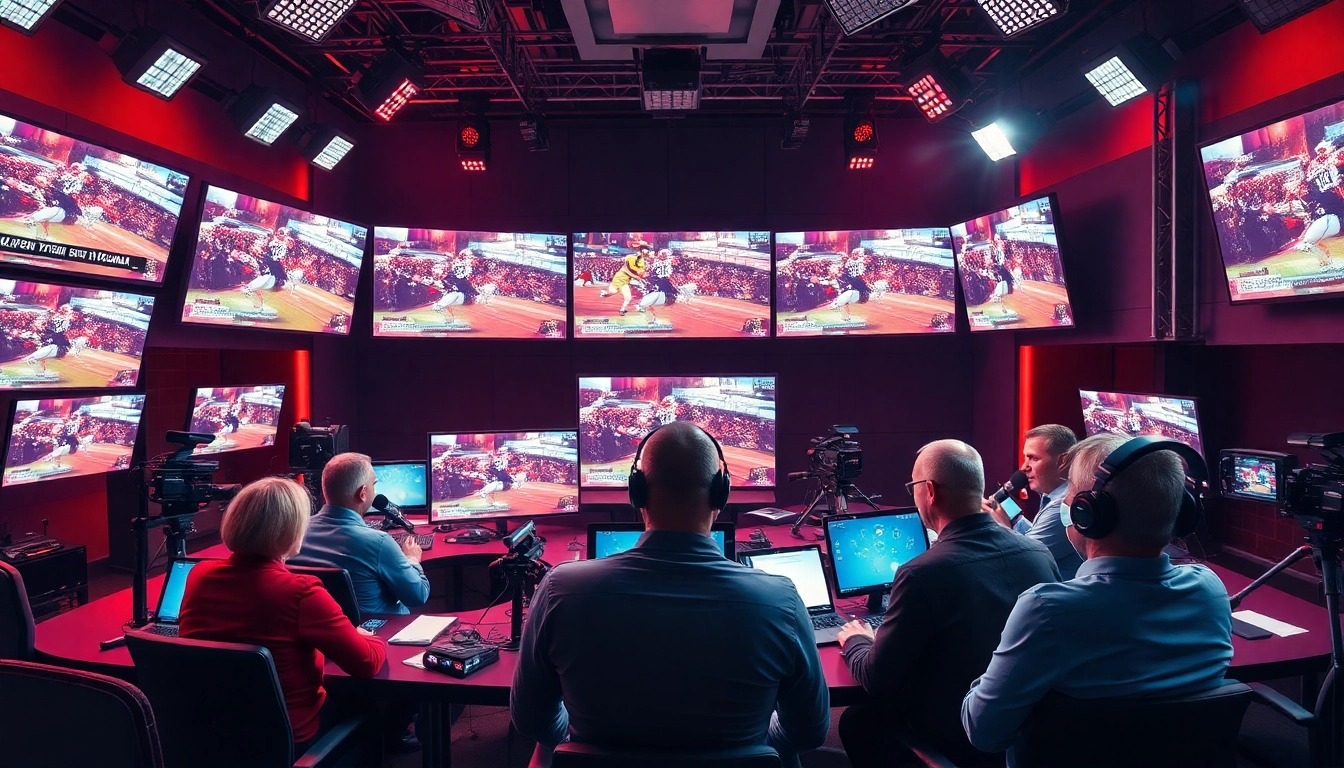
Understanding the Landscape of Sports Broadcasting
Defining Sports Broadcasting
Sports Broadcasting refers to the distribution of live sports events and related content through television, radio, or internet platforms. It constitutes a vital aspect of the sports industry, bridging the gap between fans and their favorite teams and athletes. The goal of sports broadcasting extends beyond simple content delivery; it aims to enhance the viewing experience, engage audiences, and provide commentary and analysis that offers depth and engagement to the sporting experiences.
Historical Evolution and Current Trends
The landscape of sports broadcasting has undergone remarkable evolution since its inception in the early 20th century. Initially dominated by radio broadcasts featuring live commentary, the industry saw a transformation with the advent of television in the 1940s and 50s, bringing sports into homes and revolutionizing how fans consumed their favorite games. Since then, advancements in technology have further changed the industry. Sports Broadcasting now encompasses digital platforms, on-demand viewing, and mobile apps that allow fans to connect with real-time commentary and data analytics.
Technological Influences on Sports Broadcasting
Technological advancements have played a critical role in enhancing sports broadcasting capabilities. High-definition (HD) and even 4K broadcasts have created more immersive viewing experiences. Additionally, innovations like virtual and augmented reality are paving the way for interactive storytelling, putting audiences in the heart of the action. Social media platforms act as supplementary tools, providing broadcasters with avenues to engage fans and share instant highlights, statistics, and behind-the-scenes content.
Essential Components of Sports Broadcasting
Key Roles in Sports Broadcasting Teams
A successful sports broadcasting operation involves a number of pivotal roles, each contributing to the overall production quality. These include:
- Producers: The individuals responsible for planning and overseeing the broadcasting’s overall vision.
- Commentators: They bring the games to life, providing play-by-play commentary and insights on player performances and strategies.
- Camera Operators: Critical in capturing the event, they work to provide the best visuals and angles for the broadcast.
- Editors: They compile and finalize pre- and post-game segments, ensuring that the delivered content is polished and engaging.
- Social Media Managers: Focused on online engagement, they disseminate content through social platforms to reach wider audiences.
Visual and Audio Elements in Sports Broadcasting
Visuals and audio are essential in sports broadcasting as they significantly enhance the viewer’s experience. High-quality video feeds are vital for providing detail in live events, while graphics—such as scoreboards, player stats, and replays—add context. Audio, particularly commentary and crowd ambiance, plays an integral role in immersing the viewer in the live atmosphere, making the event feel immediate and exciting.
Content Planning and Scheduling
Effective content planning and scheduling are crucial in sports broadcasting. Broadcasters need to create a cohesive schedule that aligns with live event timings, pre-game analysis, and post-game reviews. This includes strategic programming of reruns and highlight shows, ensuring that there are no gaps in engaging content for the audience. Utilizing data analytics can help broadcasters understand peak viewing times and optimize their schedules accordingly.
Best Practices for Audience Engagement in Sports Broadcasting
Utilizing Social Media for Sports Broadcasting
Social media platforms are indispensable tools for modern sports broadcasting. They allow for real-time engagement with fans, providing platforms for discussions, sharing highlights, and receiving instant feedback. The most effective broadcasters leverage platforms like Twitter, Facebook, and Instagram to not only promote upcoming events but also to create communities surrounding their content. These interactions make fans feel a part of the experience, fostering loyalty and enhancing viewer retention.
Interactive Features to Enhance Viewer Experience
Creating an interactive viewing experience can significantly enhance audience engagement. Features such as polls, quizzes, and live chats enable viewers to participate actively during broadcasts, while mobile applications can provide real-time statistics and alternate camera angles. This interactivity transforms passive viewers into active participants, encouraging viewers to stay engaged longer.
Case Studies of Successful Sports Broadcasting Engagement
Several sports organizations have successfully implemented strategies that enhance viewer engagement. For example, the integration of gamification techniques in sports broadcasts—like fantasy league features where viewers can engage with the game by managing virtual teams—has proven successful. Real-time polls and questions allow viewers to voice their opinions during broadcasts, making them feel directly involved in the sports experience. These strategies can lead to higher viewer satisfaction and retention rates.
Challenges Faced in the Sports Broadcasting Industry
Maintaining Quality Amidst High Demand
In a landscape characterized by increasing demands for content and engagement, maintaining quality is a significant challenge for broadcasters. High demand can lead to rushed productions, resulting in mediocre quality. To combat this, broadcasters should prioritize proper staffing, ensuring sufficient talent and resources are available. Rigorous quality checks and pre-production planning also aid in maintaining consistency and excellence in broadcasts.
Navigating Rights Management and Licensing Issues
Sports broadcasting is heavily regulated, with strict licensing requirements related to the airing of games and events. Navigating these rights management issues can be complex and requires a deep understanding of legal frameworks. Broadcasters must engage legal experts to ensure compliance with licensing laws and negotiate contracts that can impact their content distribution capabilities. This knowledge safeguards against potential legal challenges and financial losses.
Adapting to Changing Viewer Preferences
As audience preferences evolve, sports broadcasters need to remain agile, adapting their content to meet changing tastes. Increasingly, viewers prefer diverse formats and platforms, including shorter clips and mobile-friendly content. Regular surveys and feedback collection can help broadcasters stay tuned into their audience’s preferences, allowing for timely adjustments in programming and broadcast formats.
Metrics for Measuring Success in Sports Broadcasting
Key Performance Indicators (KPIs) for Broadcasters
Measuring success in sports broadcasting involves analyzing various Key Performance Indicators (KPIs). Metrics such as audience ratings, total viewers, and demographic insights provide broadcasters with quantitative data that show how well their content is performing. Engagement metrics—like social media shares, comments, and likes—also give valuable qualitative insights into audience sentiment and interest levels.
Analyzing Viewership and Audience Feedback
Thoroughly analyzing viewership data, alongside audience feedback, is crucial for continuous improvement. Broadcasters should invest in data analytics tools and methods to track real-time viewership trends and gather feedback from audiences post-broadcast via surveys or social media. This information helps broadcasters refine their content strategies and tailor their offerings more effectively to viewer preferences.
Strategies for Continuous Improvement in Sports Broadcasting
Continuous improvement is essential in sports broadcasting to keep pace with both technological advances and audience expectations. Broadcasters should conduct regular training sessions for their teams to stay updated on the latest in production techniques and viewer engagement strategies. Incorporating feedback loops from audiences into strategic planning can also drive innovation and improve overall broadcasting quality.
FAQs
What is Sports Broadcasting?
Sports Broadcasting refers to the distribution of live sports events and related content through television, radio, or internet platforms.
How has technology changed Sports Broadcasting?
Technology has enhanced viewer experiences through high-definition broadcasts, online streaming, and real-time data analytics.
What role do social media platforms play in Sports Broadcasting?
Social media platforms help broadcasters engage with audiences, sharing highlights and allowing for real-time interaction during events.
What challenges do Sports Broadcasters face?
Broadcasters face challenges like maintaining quality, managing licensing rights, and addressing evolving viewer preferences.
How can broadcasters measure their success?
Success can be measured through key performance indicators such as audience ratings, viewer engagement, and feedback surveys.




More Stories